
Autumn arrives like an old friend,
Unpacks his bags: gifts of color, cool weather,
Tastes and smells welcome and
Unmistakable. He takes much but gives
More, whispering through death of
Newness of life.
Photo by Erik Witsoe on Unsplash
Autumn arrives like an old friend,
Unpacks his bags: gifts of color, cool weather,
Tastes and smells welcome and
Unmistakable. He takes much but gives
More, whispering through death of
Newness of life.
Photo by Erik Witsoe on Unsplash

How can one capture living light with paint
And make it move, or grasp a glimpse of time
And translate it to canvas, from the faint
Stone’s shadows to strong sunbeams, make it rhyme
Reality? I see, and I am stopped,
Struck by the detail, stilled by majesty.
An artist dared create; now I am dropped
Into the glory of Yosemite.
Painters and poets, like the prophets, point
To truths oft hiding right before our faces.
They look upon creation and anoint
With holy purpose e’en the commonplaces.
They see then sow the seeds of what they saw,
Thus fostering in us the fruit of awe.
Albert Bierstadt, Public domain, via Wikimedia Commons
Every Friday in November’s poetry challenge was dedicated to a different poetic form, giving us an opportunity to stretch ourselves a bit. This second Form Friday poem is an Ekphrastic, where the poem is a response to a painting or some other work of art. I chose Bierstadt’s painting after seeing it on one of Russ Ramsey’s Art Wednesday posts (see here).

The prolonged night,
the deepest dark,
the cold,
as concepts, could conjure
thoughts of death,
depths of longing,
the chill of fear.
But don’t they also
accentuate
the warmth of home and
a good night’s sleep?
Photo by Olena Bohovyk on Unsplash

And in these darker days late in the year,
When night falls sooner and we feel the chill
Of autumn in each breeze, we start with fear
But find amidst the ghosts and ghouls goodwill
As families and friends come out to play
And share some goodies too. Then as the air
Grows dry and cold, we mourn the loss of day
Yet turn to thanks, in fellowship and pray’r
And much good food. And then we put up lights
To fill the longest nights with hope and cheer.
The season’s stories, smells, tastes, sounds, and sights
Bring warmth unparalleled to end the year.
It’s true, the light is lesser now, but hark!
The angel’s song still sounds here in the dark!
Photo by Kenrick Mills on Unsplash

When my thoughts were all
gum on my shoe-bottoms,
tripwires, and
straitjackets,
my decisions were all
running away,
confused striving, and
well-intended wounds.
Too few of my steps were right,
and I was left
at a loss for direction.
But every misguided misstep,
every freezing fear, and
every burned bridge
became a step toward
truth,
life,
and love,
and I see now
you are sovereign over time
even when I can’t tell it.
Photo by Simon Godfrey on Unsplash
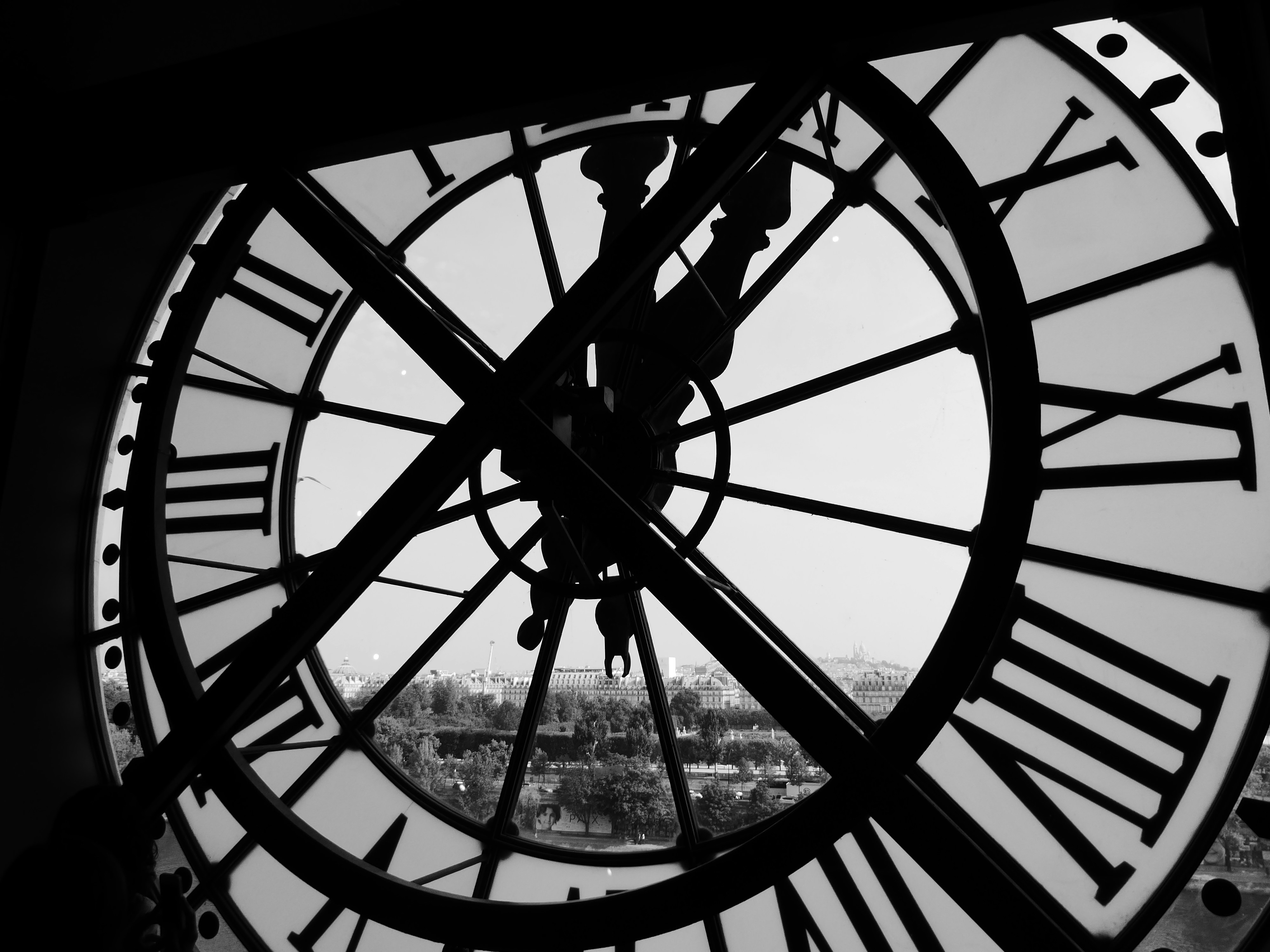
At the right time,
as the Scriptures say,
you did all we needed
and more.
But we who count days,
to whom 1,000 years are not
as a day,
often count you late,
or at least ill-timed.
But the Lord is never late,
nor is he early;
he arrives precisely when he means to.
Help us to trust you.
Photo by Murray Campbell on Unsplash
This one was fun to write, particularly because Gandalf’s line from The Fellowship of the Ring fit nicely near the end.
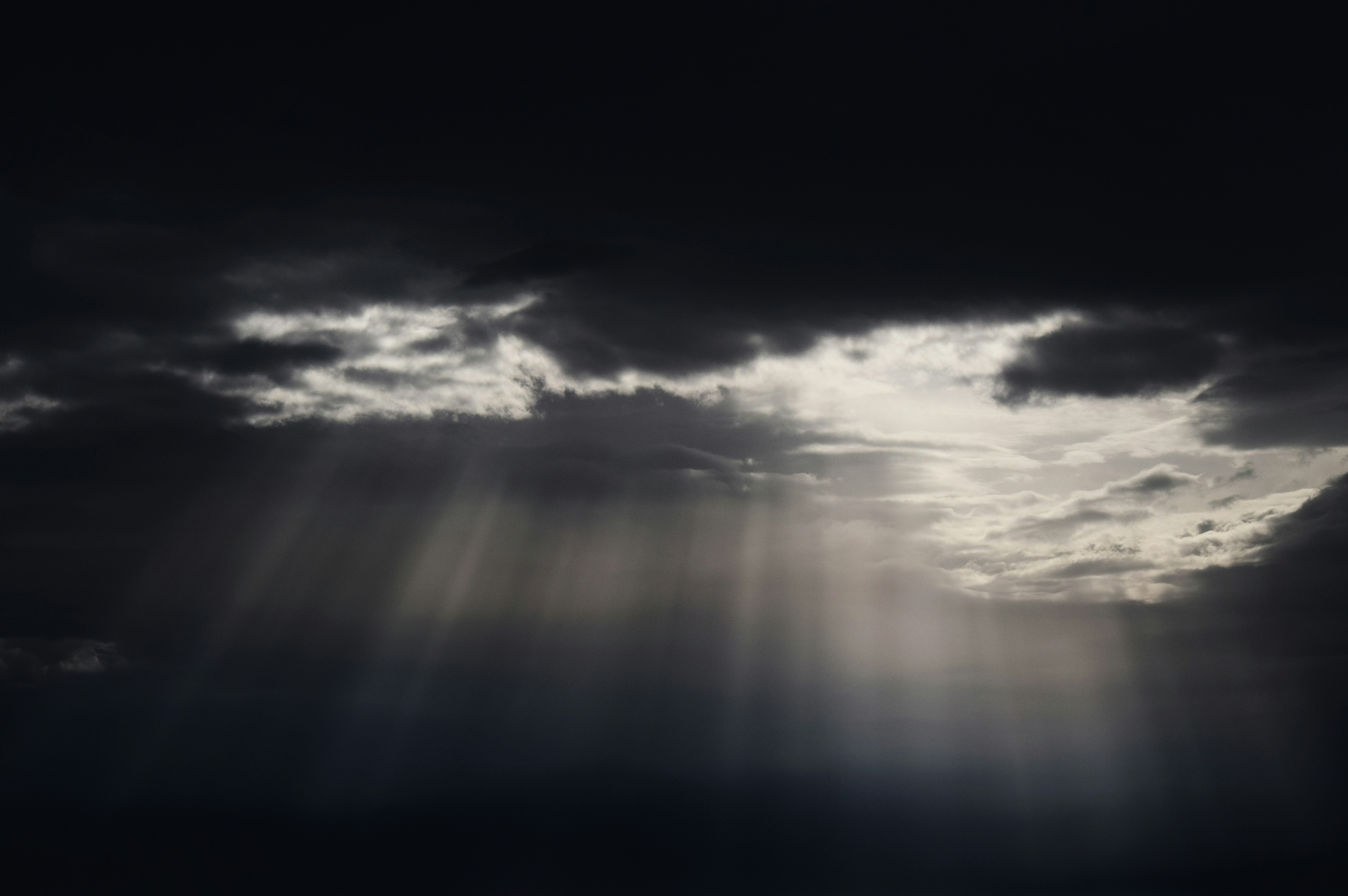
Light ebbs and flows like the tides,
brightening one season,
darkening the next,
ever moving,
never gone.
Photo by Chris Barbalis on Unsplash

Following “Don’t Worry” by Mary Oliver
Like Martha, many things
make me anxious, take
my mind down the
most unproductive roads, make time
my enemy. But those things, they
require perspective. Take
a breath, and don’t
forget peace conquers worry.
Photo by Dewang Gupta on Unsplash
Every Friday in November’s poetry challenge was dedicated to a different poetic form, giving us an opportunity to stretch ourselves a bit. The first form was the “Golden Shovel,” from Terrance Hayes. For this form, you take a line from a poem you admire. You then use those words, in order, as the end words for each line of your own poem, crediting the author of the original lines in your own work. For more on this form, and to find links to Hayes’ golden shovel and to the poem that inspired his, see here.


 as i learn to walk