Endings arrive farther along than you might think and before you know it, welcome and unwelcome, magnificent and melancholy. But each bittersweet goodbye begins new verses of the ongoing poem, and by grace, no line is wasted.
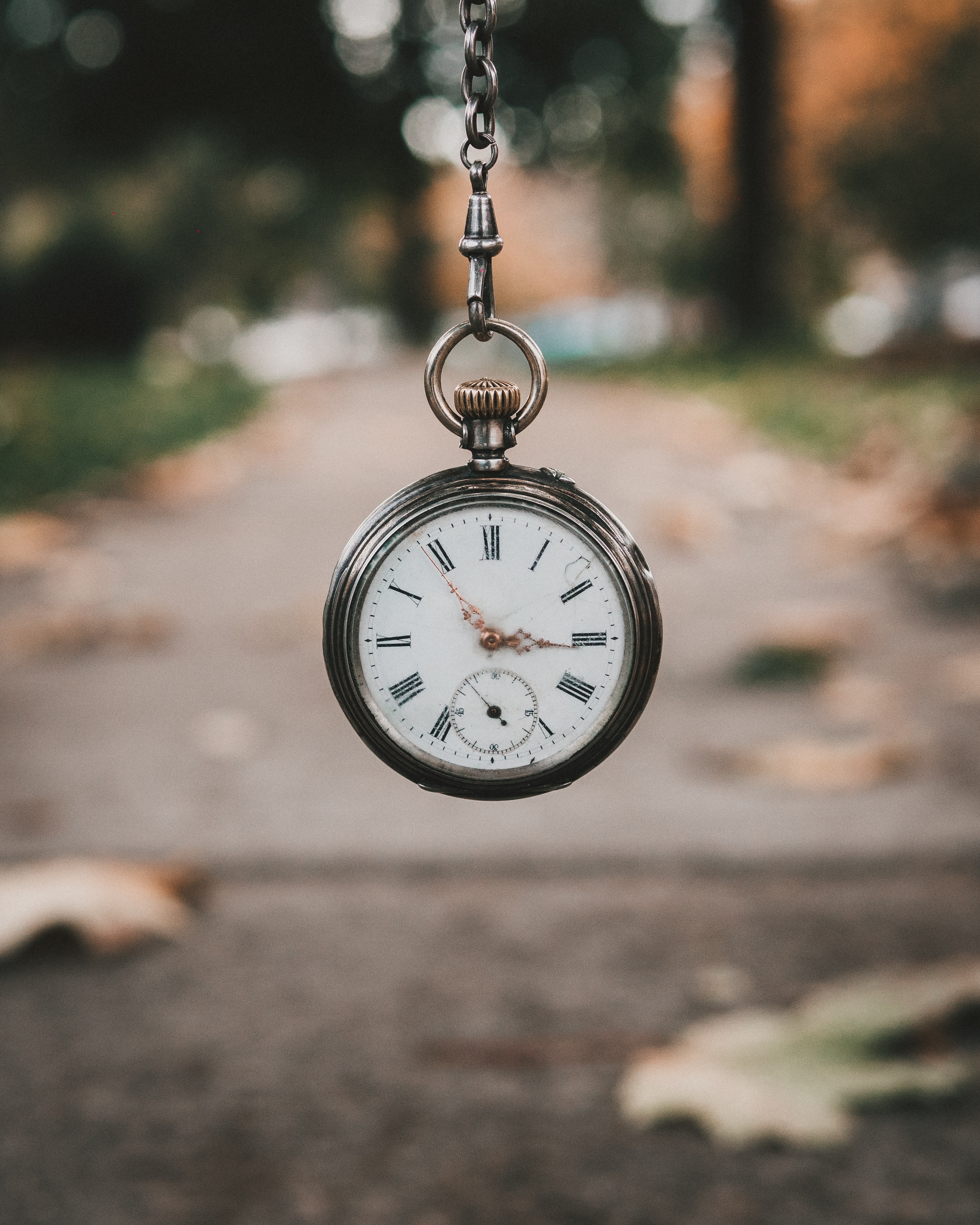
You are he who inhabits eternity, extending beyond All stretch of imagination, Surpassing the limits of centuries, Yet you are more present to each moment Than our greatest poets, More attentive even than Tolkien. You are time’s Alpha and Omega, The moment’s Maker.
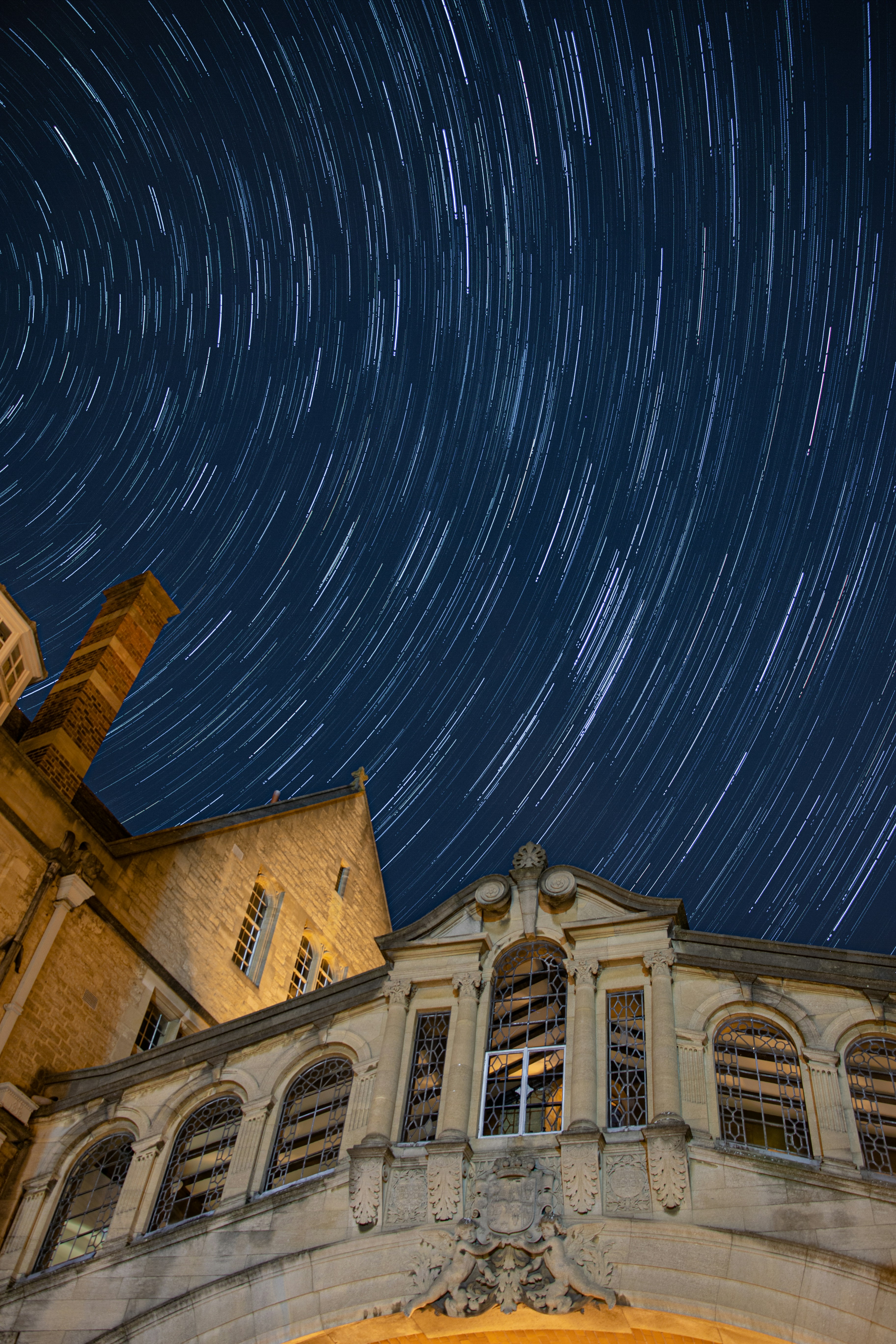
I bought this jacket just over a month ago six hours ahead, then brought it back in time with me. Today, the weather justifies it, the cold, crisp air reminding me of London, as the tweed turns my thoughts to Lewis, Oxford, and a good pipe, and I long to return six hours ahead.
I wonder how long Paul thought it would take for the Lord to return. Did he imagine 2,000 years of suppers? Could he have conceived of freedom of religion, digital doxologies, the never-ending writing of books? If he were somehow transported to our time, would he encourage, rebuke, or simply join the work?
It’s time to make the time for art again, To see the sacrifice as offering. Adorn the worlds without and worlds within. Retrace the shapes of joy and suffering And show them mingled, mangled, and made new As only your soul can, and it will be A blessing to yourself and others too, A testament that truth still sets us free. You feel your work is meager. It is so. There are far finer pens and fairer lines. But e’en the best are flawed, and still they show The glory of the Lord. They still are signs Reminding downcast eyes to look ahead And giving hungry bellies fresh-baked bread.
This is the first of 30 poems written this past November in response to prompts. In most cases, my poems were untitled, so I just used the prompt as the title.
This pain is not forever.
It will pass away in time, as
     seasons change.
It will be healed,
     touched by the one who
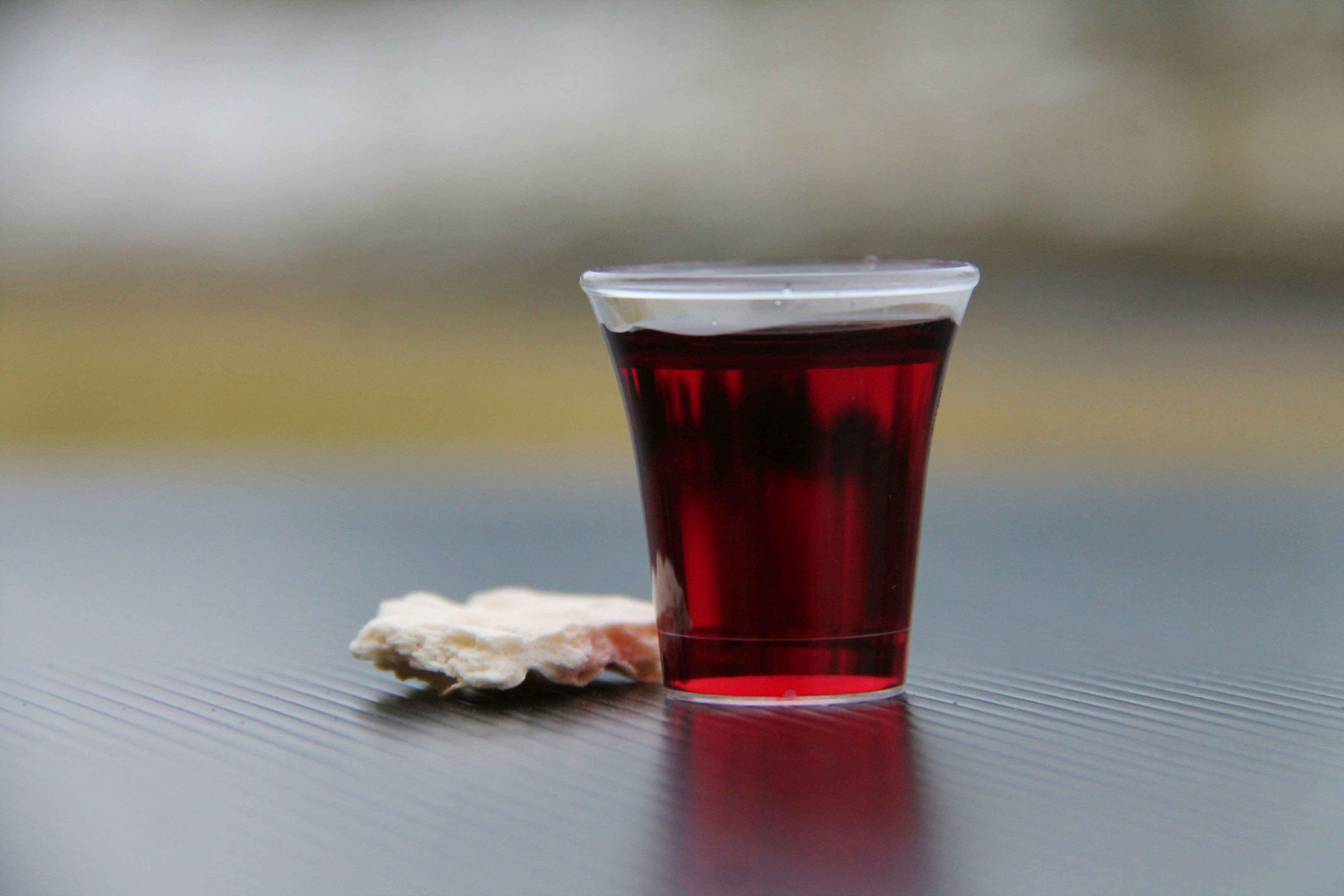
     tasted death on our behalf.
Or it will be taken away
     one day in glory,
          when eternity outshines time.

We cannot now say which it will be,
     but we can be certain of
          its end, and
          its redemption.




 as i learn to walk